
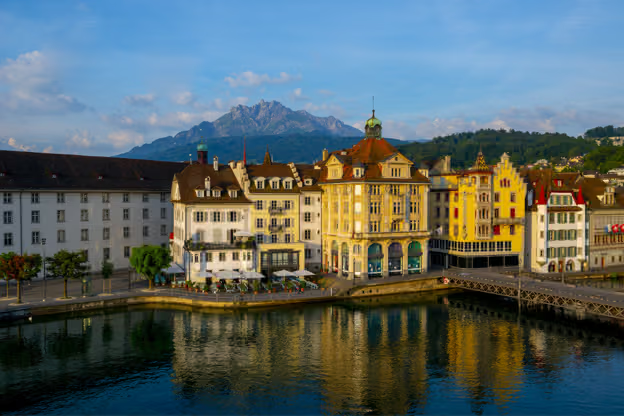
Planning a multi-country European vacation requires balancing distinct climates. The absolute best time to visit Italy, France, and Switzerland simultaneously is during the shoulder seasons: Spring (April to May) and Autumn (September to October). These months, along with a comprehensive Europe tour package, offer optimal weather, manageable crowds, and fully accessible alpine and coastal attractions.
During these peak transition months, you will experience mild temperatures perfect for Mediterranean sightseeing in Rome, as highlighted in Italy tour packages and Paris, alongside clear, snow-free pathways in the Swiss Alps. Avoiding the intense summer heatwaves and winter closures ensures a seamless multi-destination itinerary.
- Overall Best Months: May and September offer the ideal climate balance across all three countries.
- Best for Sightseeing: April, May, September, and October provide mild weather and shorter lines at major landmarks.
- Best for Alpine Hiking: July and August offer fully open, snow-free Swiss mountain trails.
- Best for Winter Sports: December through March provides premium skiing conditions in the Swiss and French Alps.
What Is the Best Time to Visit Italy, France and Switzerland Together?
The ideal window for a multi-country European itinerary is late spring (May) or early autumn (September). During these periods, regional weather patterns align perfectly, allowing travelers to experience Mediterranean coastlines, historic urban centers, and alpine heights in comfort.
Seasonal Overview for Multi-Country Travel
- Spring (April–May): Warm temperatures in Italy and France; blooming landscapes; Swiss cable cars resume operations after winter maintenance.
- Summer (June–August): Peak crowds and high heat in Italian and French cities; peak hiking season with ideal weather in Switzerland.
- Autumn (September–October): Grape harvests in France and Italy; comfortable walking temperatures; vibrant fall foliage in the Swiss valleys.
- Winter (November–March): Heavy snow in Switzerland and alpine France; cooler, rainier conditions in Italy; optimal for skiing and holiday markets.
| Season | Italy Weather | France Weather | Switzerland Weather | Travel Recommendation |
| Spring | 15°C to 23°C | 12°C to 20°C | 8°C to 15°C | Highly Recommended (Great balance) |
| Summer | 25°C to 35°C | 20°C to 30°C | 18°C to 25°C | Best for Swiss Alps; hot for cities |
| Autumn | 16°C to 27°C | 11°C to 21°C | 9°C to 18°C | Highly Recommended (Harvest season) |
| Winter | 5°C to 13°C | 3°C to 8°C | -2°C to 5°C | Best for winter sports & budget city tours |
Month-by-Month Europe Multi Country Weather Guide
January to March: Winter Sports and Low Crowds
Winter brings cold temperatures across Western Europe, making it the premier time for ski resorts while urban destinations experience their lowest tourist volumes.
- Italy: Crisp and cold. Central and Southern Italy face frequent rain, while the Dolomites offer excellent skiing.
- France: Chilly and damp in Paris; heavy snow accumulation in the French Alps.
- Switzerland: Freezing alpine temperatures. Peak ski season in Zermatt, St. Moritz, and Interlaken.
April to June: The Peak Spring Window
Spring offers rapidly rising temperatures and represents one of the best windows for a comprehensive multi-country European travel package.
- Italy: Perfect spring weather. Ideal for exploring Rome, Florence, and the Amalfi Coast before the summer rush.
- France: Pleasant temperatures and blooming gardens in Paris, the Loire Valley, and Provence.
- Switzerland: Snow melts in the valleys by May, reopening lower elevation hiking trails and scenic train routes like the Glacier Express.
July to August: Peak Summer and Alpine Hiking
Summer brings intense heat to the Mediterranean lowlands, while the Swiss Alps experience their finest outdoor conditions.
- Italy: Extremely hot and humid (often exceeding 35°C). Major cities see heavy crowds, while locals head to the beaches.
- France: Hot and crowded, particularly in Paris and the French Riviera. Note that many local shops close in August for annual holidays.
- Switzerland: Perfect hiking weather with clear mountain passes, open cable cars, and comfortable temperatures (20°C to 26°C).
September to October: Autumn Harvest and Mild Climate
Autumn mirrors spring as an elite travel window, characterized by cooling temperatures, wine festivals, and thinning crowds.
- Italy: Ideal conditions return. Warm sea temperatures allow for Mediterranean swimming, while cities cool down to comfortable levels.
- France: Excellent sightseeing weather, vineyard harvests, and beautiful fall colors across the countryside.
- Switzerland: Clear skies and crisp air. High-altitude trails remain open through September before early snow arrives in October.
November to December: Festive Markets and Changing Weather
Late autumn transitions into winter, bringing lower prices followed by festive holiday tourism.
- Italy: November is the rainiest month. December introduces festive holiday displays and Christmas markets in northern cities.
- France: Cool and gray weather. December features world-famous Christmas markets in the Alsace region and festive lights in Paris.
- Switzerland: November is quiet with transitional weather. December marks the opening of winter ski resorts and traditional Swiss Christmas markets.
FAQs
What is the single best month for an Italy, France, and Switzerland tour?
September is the single best month. It offers a perfect climatic balance: warm beach weather in Italy, mild sightseeing temperatures in France, and clear, open hiking trails across Switzerland without summer crowd volumes.
Is July a good time to travel to Italy and Switzerland together?
July is excellent for Switzerland because mountain passes are free of snow and hiking infrastructure is fully open. However, Italy is exceptionally hot, humid, and crowded during July, making city sightseeing physically demanding.
When do the Swiss hiking trails open for the season?
Lower trails open in May, but high-altitude Swiss hiking trails and cable cars typically become fully operational in mid-to-late June once the winter snow has melted completely. They remain open until early October.
How many days do I need for a combined Italy, France, and Switzerland trip?
You need a minimum of 10 to 14 days to experience a basic multi-country itinerary (e.g., Rome-Florence-Swiss Alps-Paris). A duration of 21 days is recommended to explore all three countries thoroughly without rushing. For curated, multi-country itineraries that maximize your time across these regions, you can check structured travel options like those on Jaya Travel Europe vacation packages.