Planning a trip to Europe usually starts with one big question: When is the best time to go? There’s no one size fits all answer, since weather, activities and peak seasons vary by region. Seasonal shifts affect your budget, comfort level, crowd sizes and even what attractions are open.
Each season has its own challenges- some offer low prices while others may limit access to certain attractions. To figure out the best time to travel to Europe, you need to align your priorities and estimate which visit duration suits you the best.
Let’s break down the best time to visit Europe and how to plan your trip around them and how you can plan your Europe vacation package accordingly.
Could you be planning your Europe trip at the wrong time?
Summer visits often mean packed landmarks, while winter might leave key sites shut. Many travelers choose dates without considering how seasons impact travel conditions across Europe. High demand during holidays pushes costs up sharply then. Others arrive during rainy or cold periods, making sightseeing more challenging. Choosing a Europe tour package means weighing comfort against budget and free entry times. Many don’t realize that spring or fall can offer the perfect balance of good weather and manageable crowds.
Is there a right time to visit Europe?
To determine this- align your chosen season and activities to Europe’s shifting cultural and weather patterns. Whether you’re travelling for culture or scenery, your timing will affect what you experience, where you stay and how well you can manage your travel budget. That’s why choosing the right time and the right vacation package makes all the difference.
Best time to travel to Europe
April to June (Spring):
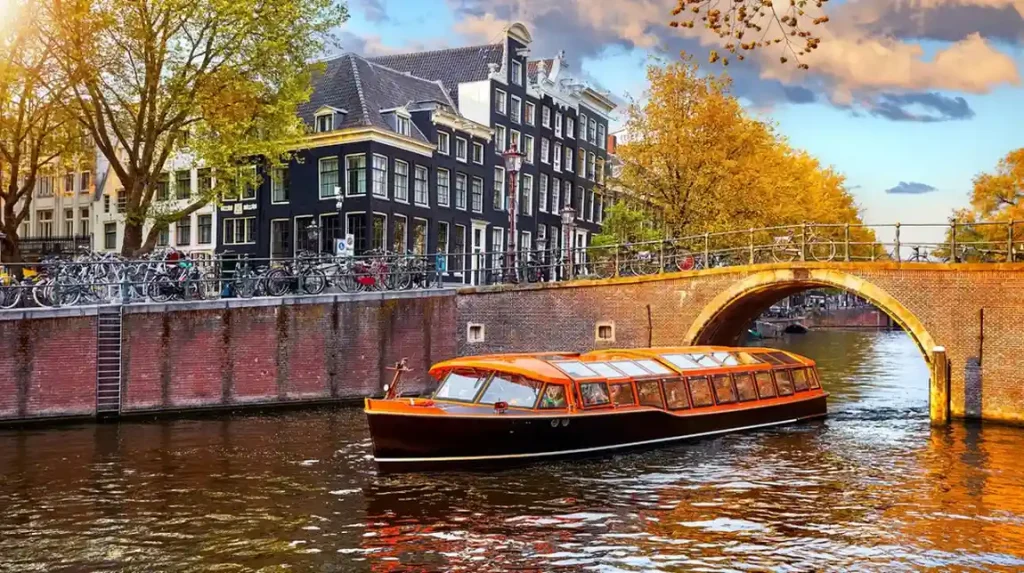
Spring is one of the best times to visit Europe. The weather becomes mild and pleasant, blossoms appear in cities like Paris and Amsterdam, while visitor numbers stay relatively low. Sightseers might find this period better with a structured itinerary through Western Europe destinations.
From July to August:
Long summer daylight hours define the season, while outdoor celebrations fill towns near shorelines. If your trip includes beaches or major festivals across Europe, planning around summer might suit you well. Book early to secure the best travel packages.
From September to October:
Fewer visitors arrive when fall season sets in, yet temperatures stay mild. During this time, cultural sites open up; offering less crowded cities to explore. They feel more reachable and prices tend to drop, making it a favored choice among those who plan ahead.
November to March:
Winter brings colder temperatures, but it’s ideal for travelers seeking thrills of winter activities. Though certain sites shut down, seasonal offerings shift toward festive experiences – particularly across Central and Eastern regions. Christmas markets and seasonal events often replace traditional sightseeing.
Useful tips to select the best time to travel to Europe
- Start by identifying your main travel goal- Is it the culture or the festivals?
- Match your destination with the right season. Select tour packages based on this.
- Choose a trip length that fits the seasons- whether it’s eight, nine, ten or sixteen days.
What are the travel concerns?
- Avoid peak crowds in major cities during July and August.
- In order to avoid high costs of flight and stay, book spring or fall tour packages.
- Research seasonal weather patterns in the regions you plan to visit.
When is the best time to travel to Europe?
So, when does Europe feel just right? Spring and fall often hit the sweet spot- pleasant weather, smaller crowds and better prices. Matching personal preferences with seasonal advantages ensures smoother trips, especially when selecting thoughtfully timed Europe tour packages. Thoughtful planning can completely transform your travel experience as every season holds potential for memorable moments across the European continent.
Ready to explore the best places to visit in Europe? Browse our expertly crafted Europe tour packages and start planning a seamless journey filled with iconic landmarks, breathtaking scenery, and unforgettable experiences.